

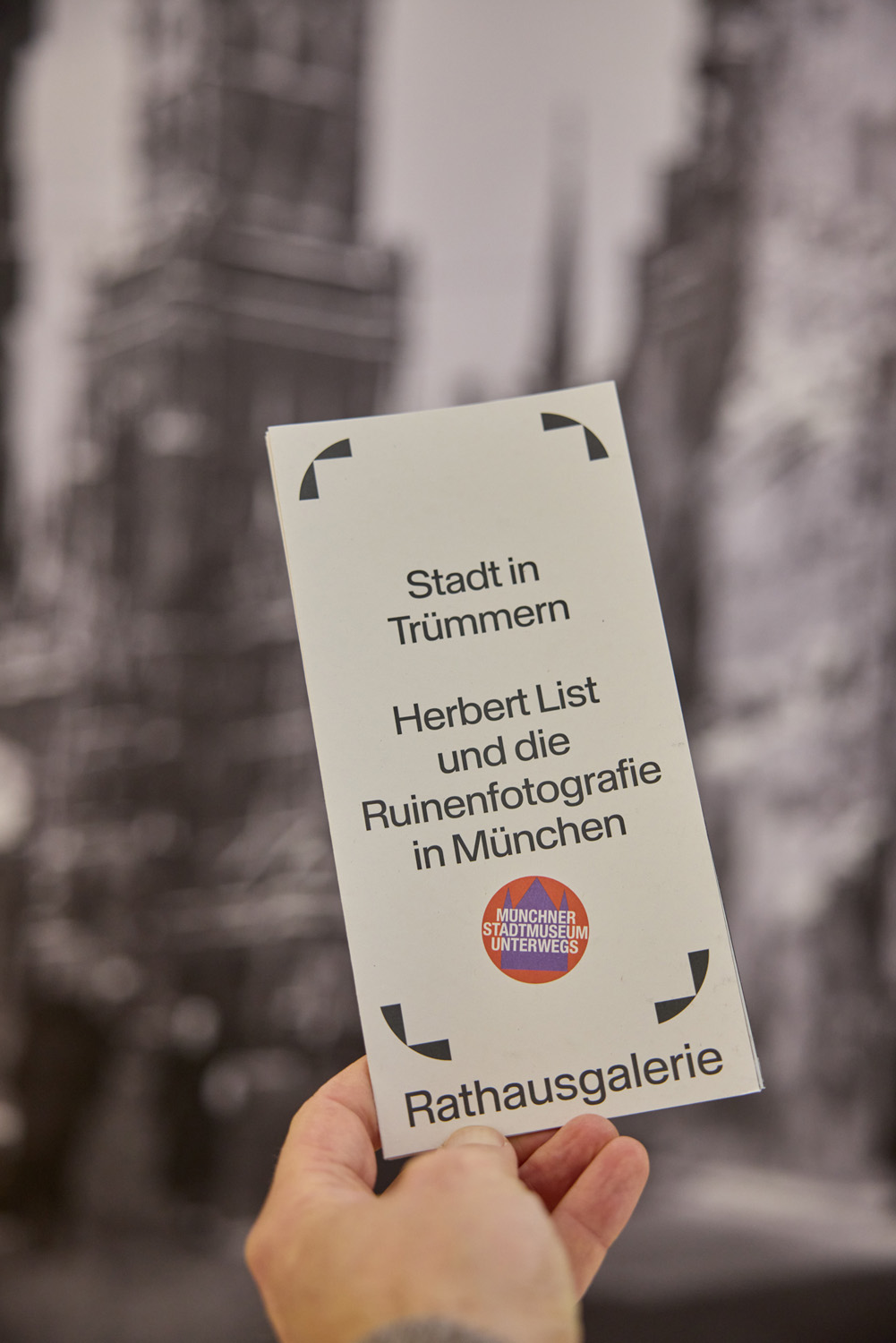
Destroyed City
The Photography Collection at Münchner Stadtmuseum presented a selection of postwar photographs of ruins in 2025. This marked the 80th anniversary of the end of World War II and a new edition of the book “Herbert List. memento 1945”. Works by Herbert List (1903–1975), Clemens Bergmann (1903–1973), Dorothea Brockmann (1899–1983), Johann Danböck (1883–1962), and Helmut Silchmüller (1906–1980) were shown.
Visiting the Rathausgalerie in Munich
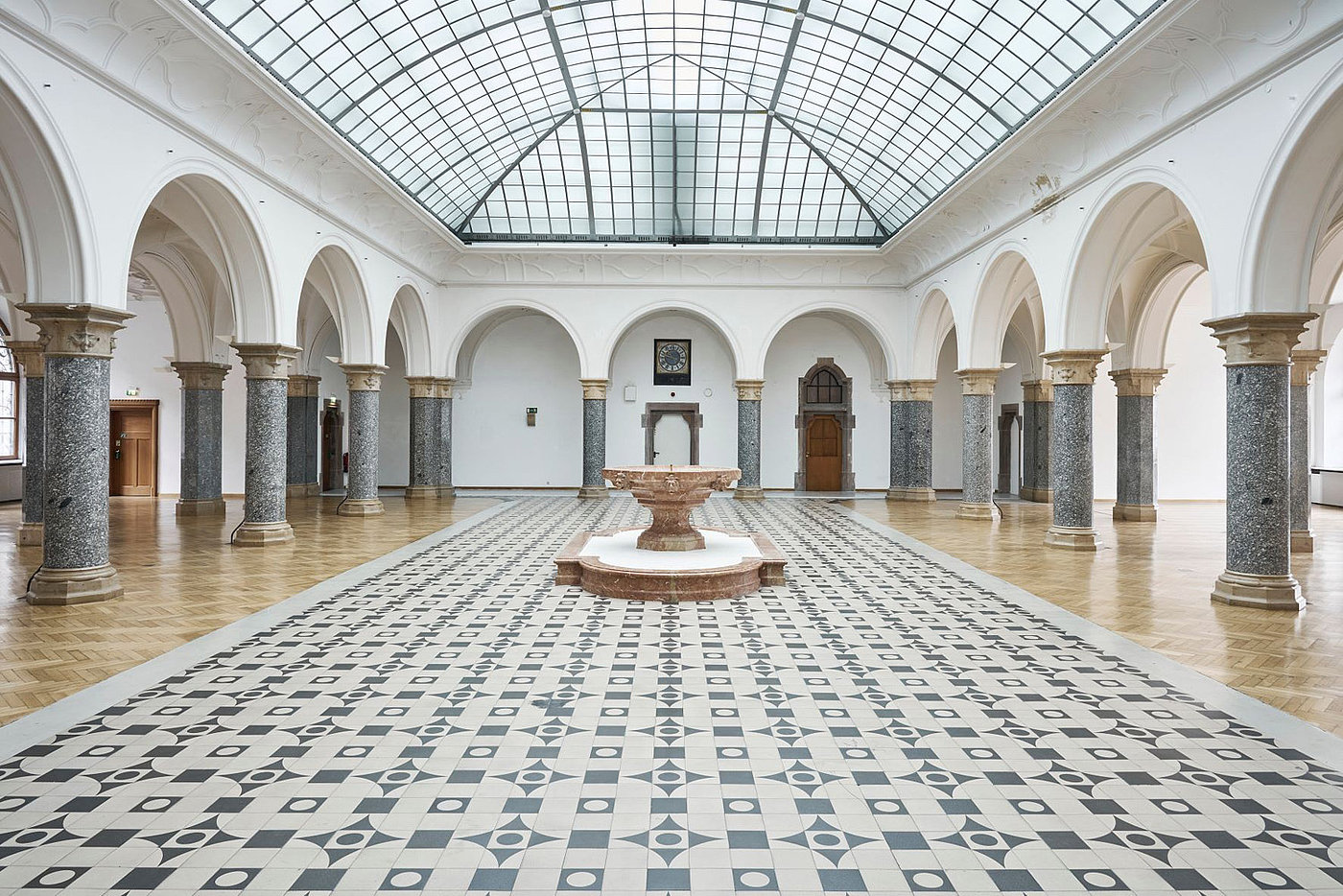
The Rathausgalerie offered a new exhibition space. Topped with a dramatic glass roof, the location was brighter, airier, and more spacious than the Stadtmuseum’s usual galleries. At the same time, this unique architecture posed a challenge.
How might an exhibition of original photographs be mounted in a venue without climate control and with strong natural light? And how could the space be structured curatorially without compromising the effect of the location?
Curatorial Concept
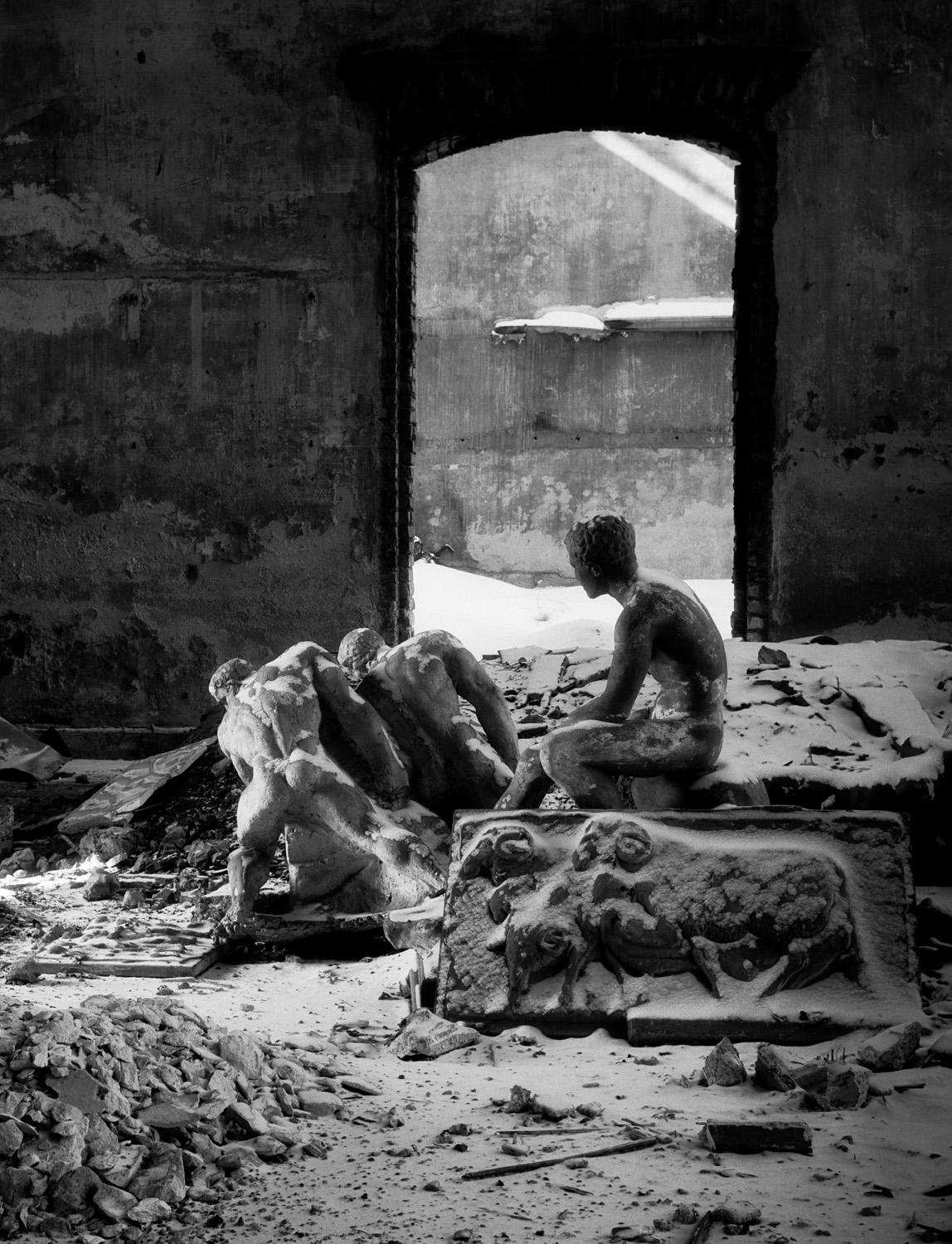
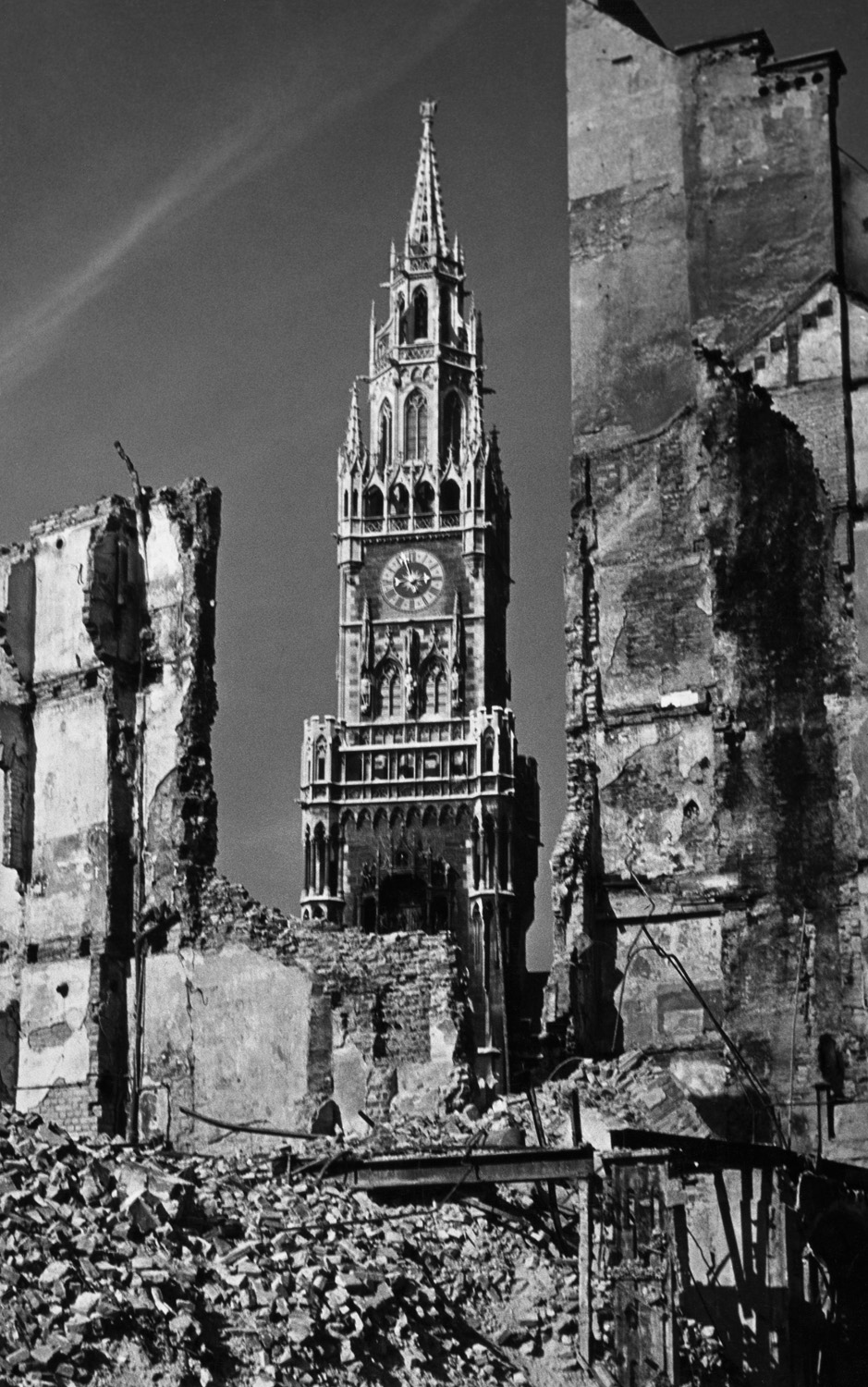
The works of Herbert List—one of the defining photographers of the twentieth century—are at the heart of the exhibition “Destroyed City: Herbert List and the Photography of Ruins in Munich”. List’s work moves between New Objectivity and Surrealism.
List returned to Munich following the end of World War II and began photographing the destroyed city as part of a long-term project. Though he intended to publish a book titled “Magical Remnants”, his plans were never realized. Today, the Photography Collection holds List’s complete archive of negatives as well as over a thousand of his prints.
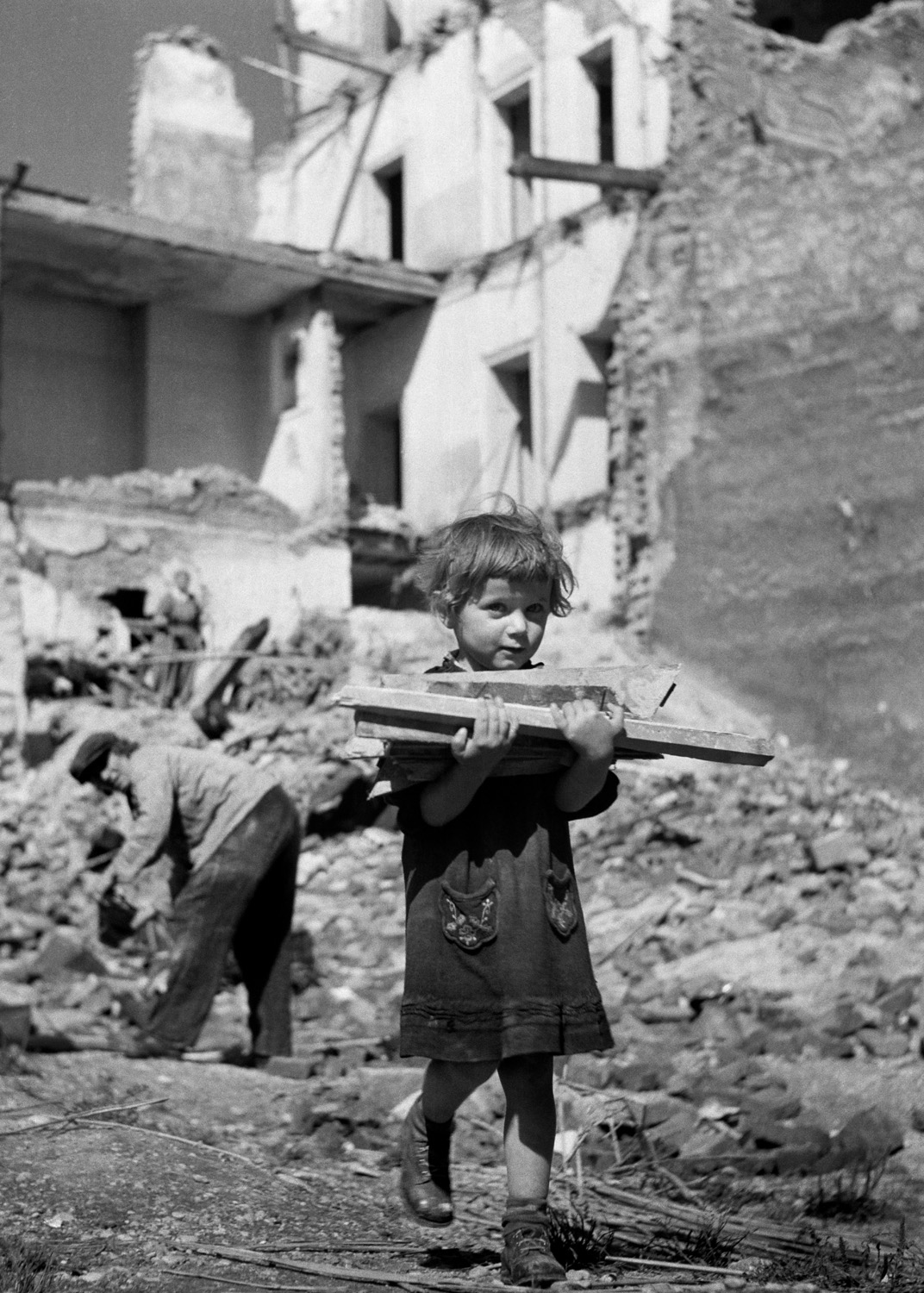
In contrast to photographers taking a documentary approach, List never aimed to merely record what he saw. Rather, he deliberately sought out unusual perspectives and radical points of view in order to translate the ruined cityscape into an independent visual language.
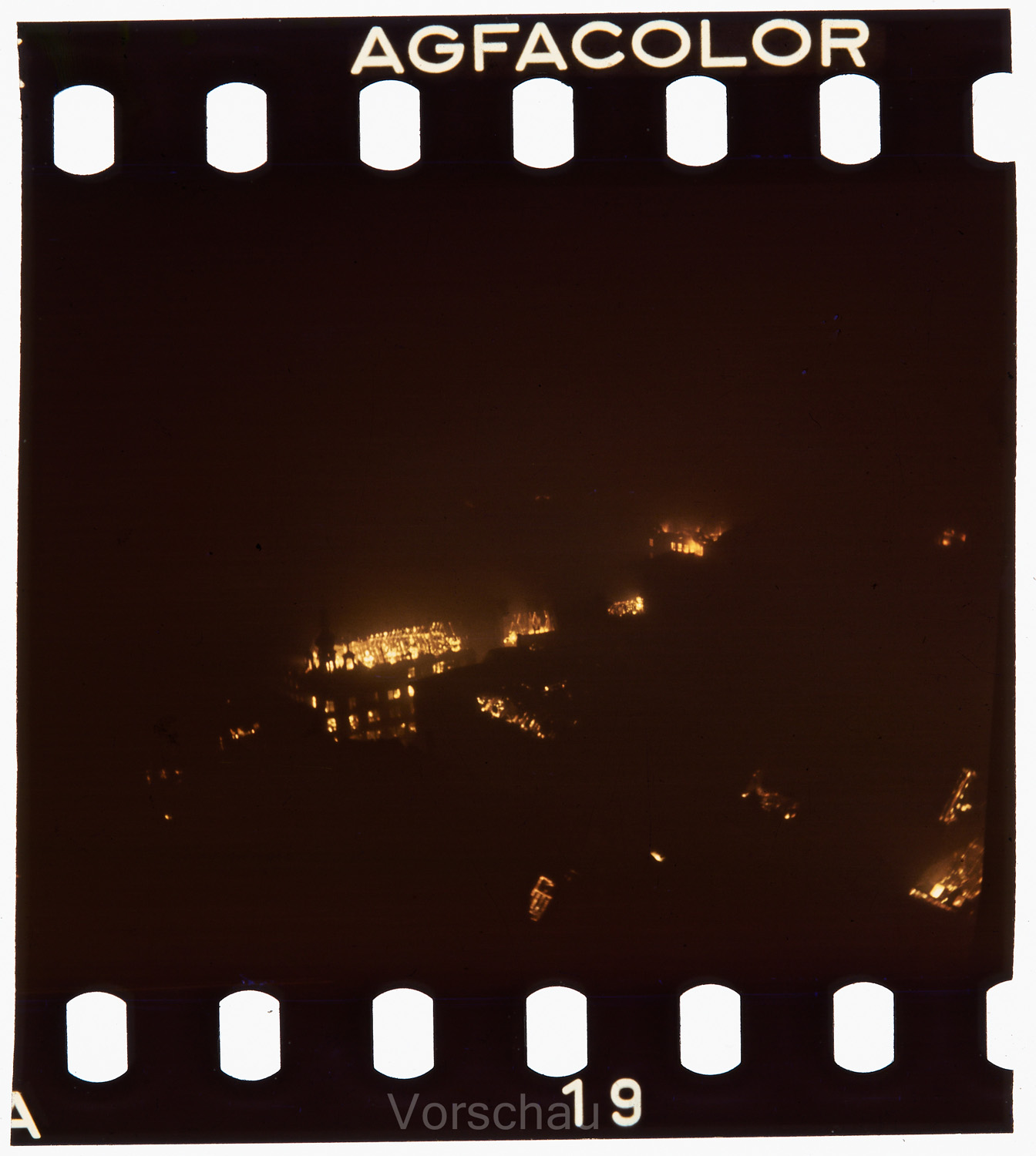
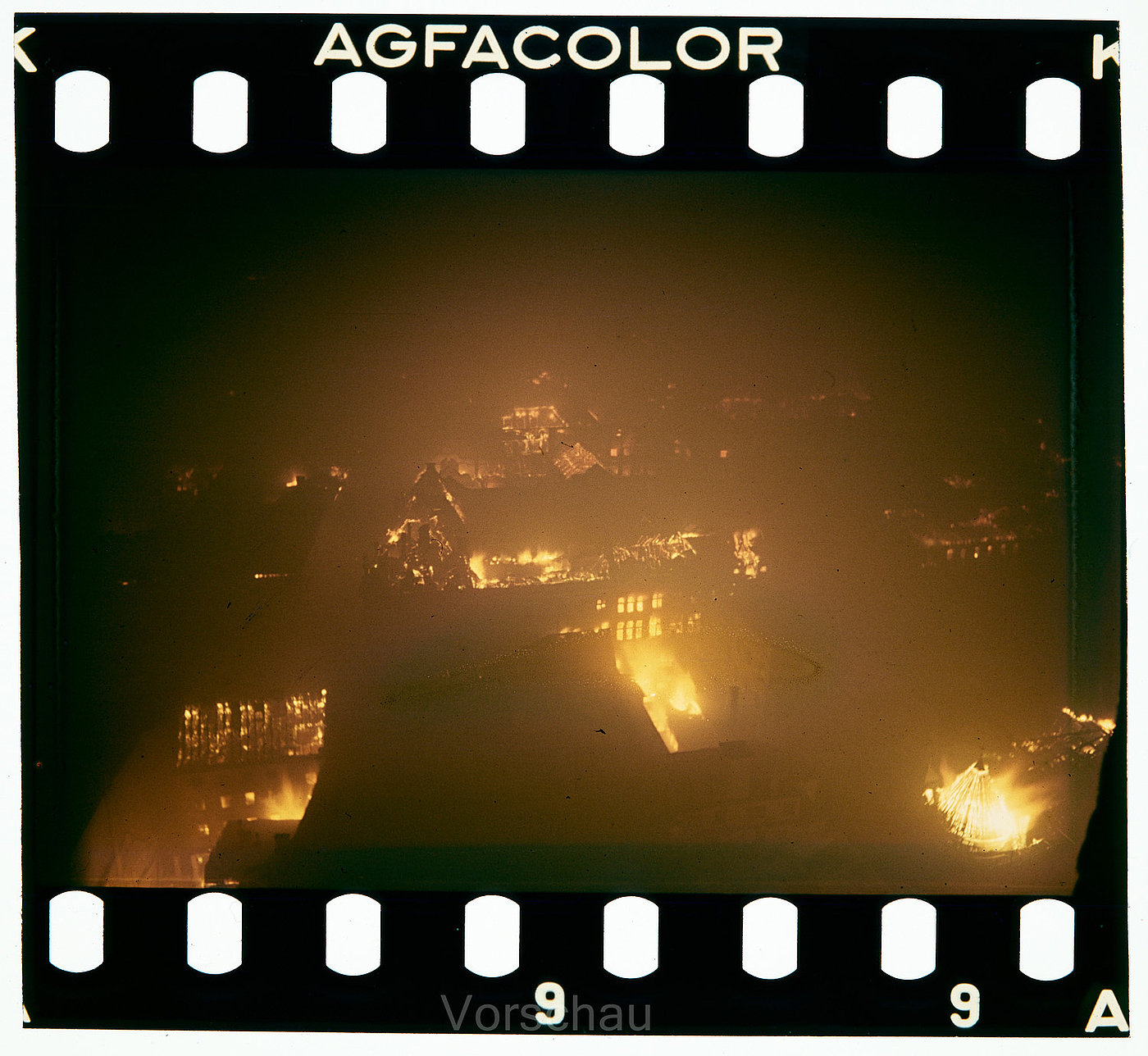
Clemens Bergmann’s color slide film photographs offer a contrast. Discovered while the collection was being researched, they depict the bombing of Munich between 1942 and 1945. The photographer secretly recorded these images while serving as a watchman at the northern tower of Frauenkirche. Most of Bergmann’s negatives have been precisely labelled with the place and time of capture. These night shots often show only the bright explosions and the silhouette-like outlines of the city.

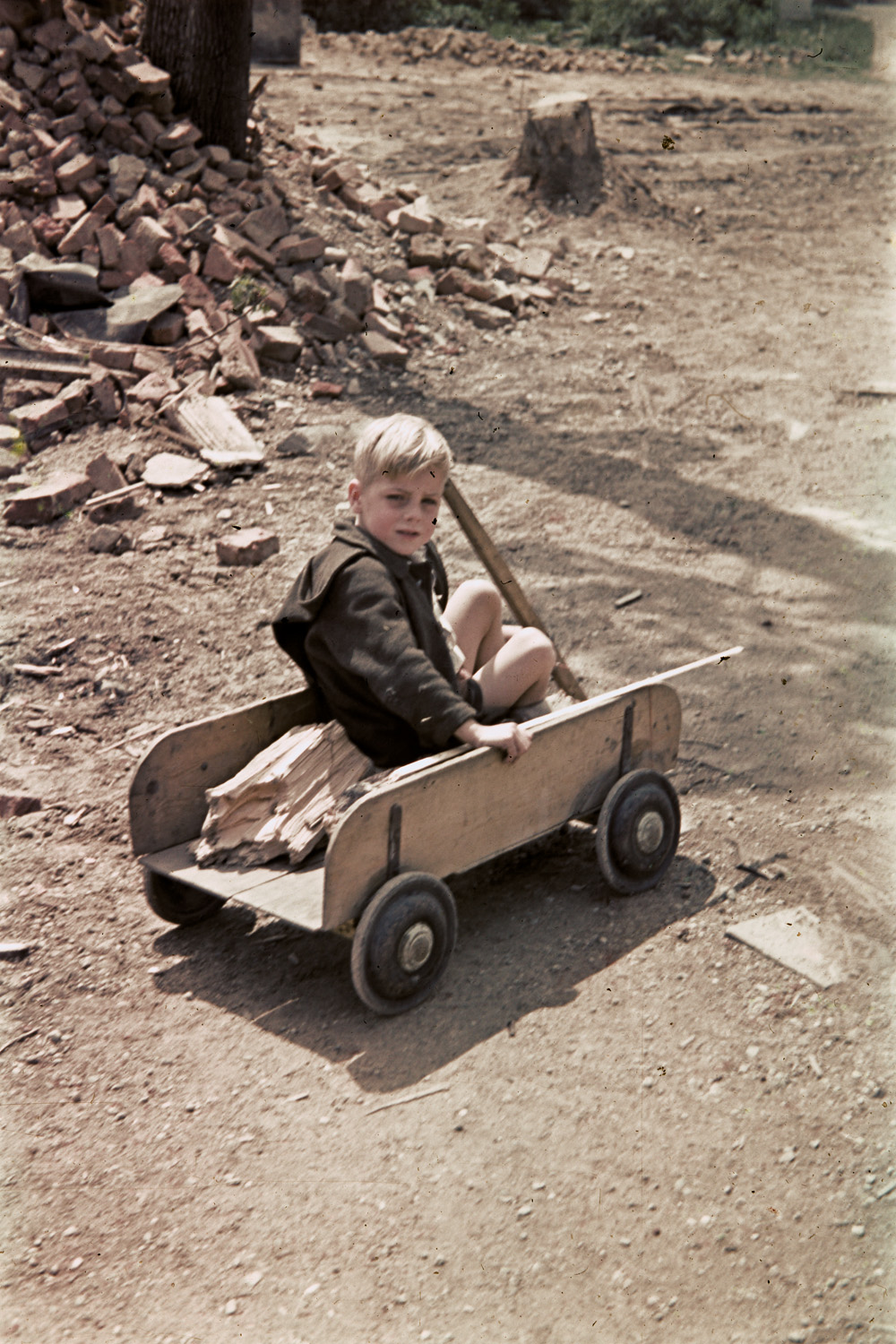
Dorothea Brockmann, a silhouette artist, created another collection of slide film. Her personal photographs were taken in the 1940s, and she began photographing the rebuilding of Munich in 1947. Brockmann’s photographs showcase iconic architectural landmarks such as Wittelsbacher Palais, the Munich Residence, and the Alte Pinakothek, as well as everyday scenes of pedestrians, cyclists, and even a child in a toy car. Her use of color film is worth noting. It was something Agfa and Kodak only began selling in the mid-1930s, and it was hard to come by in the early years following the end of the war.
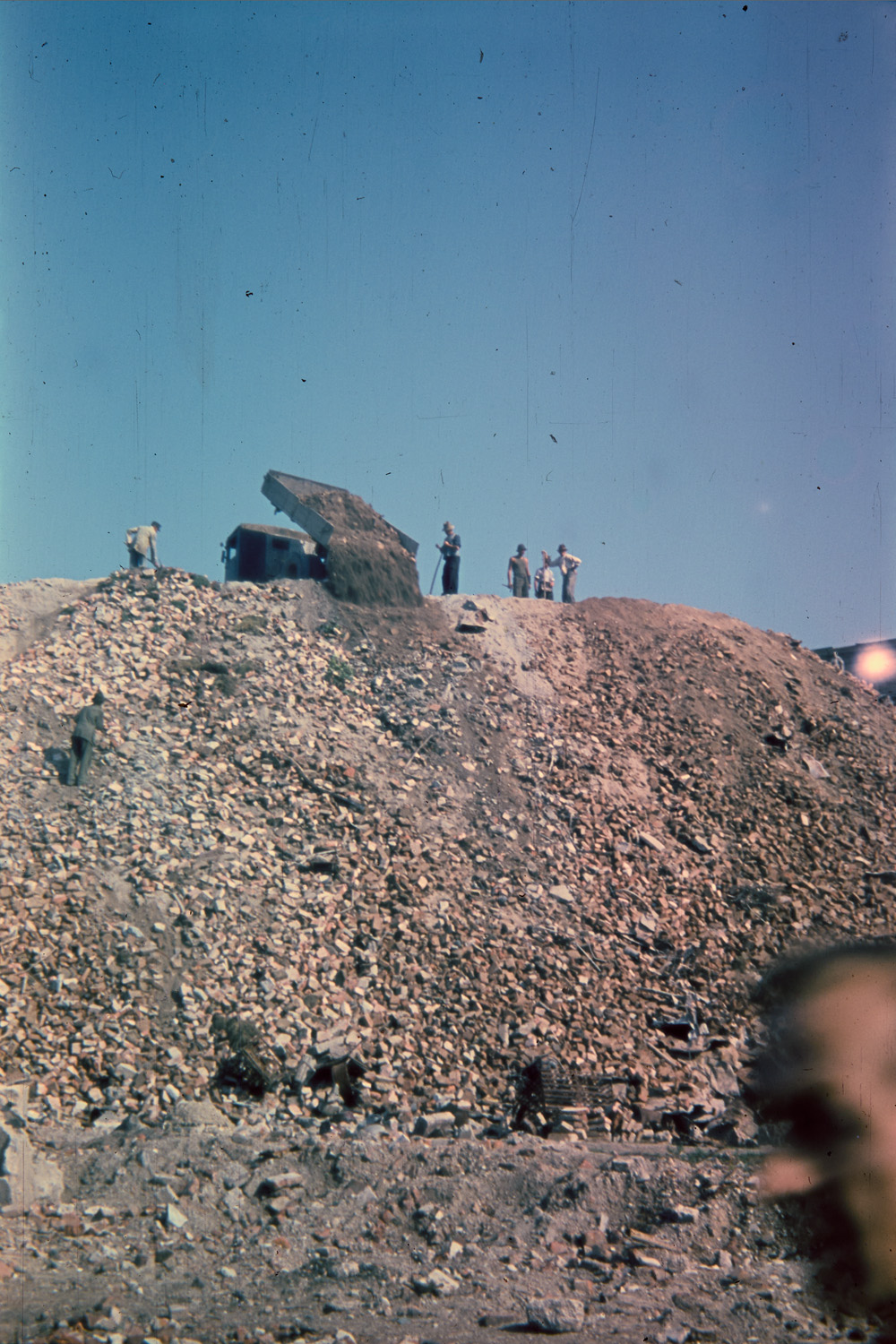
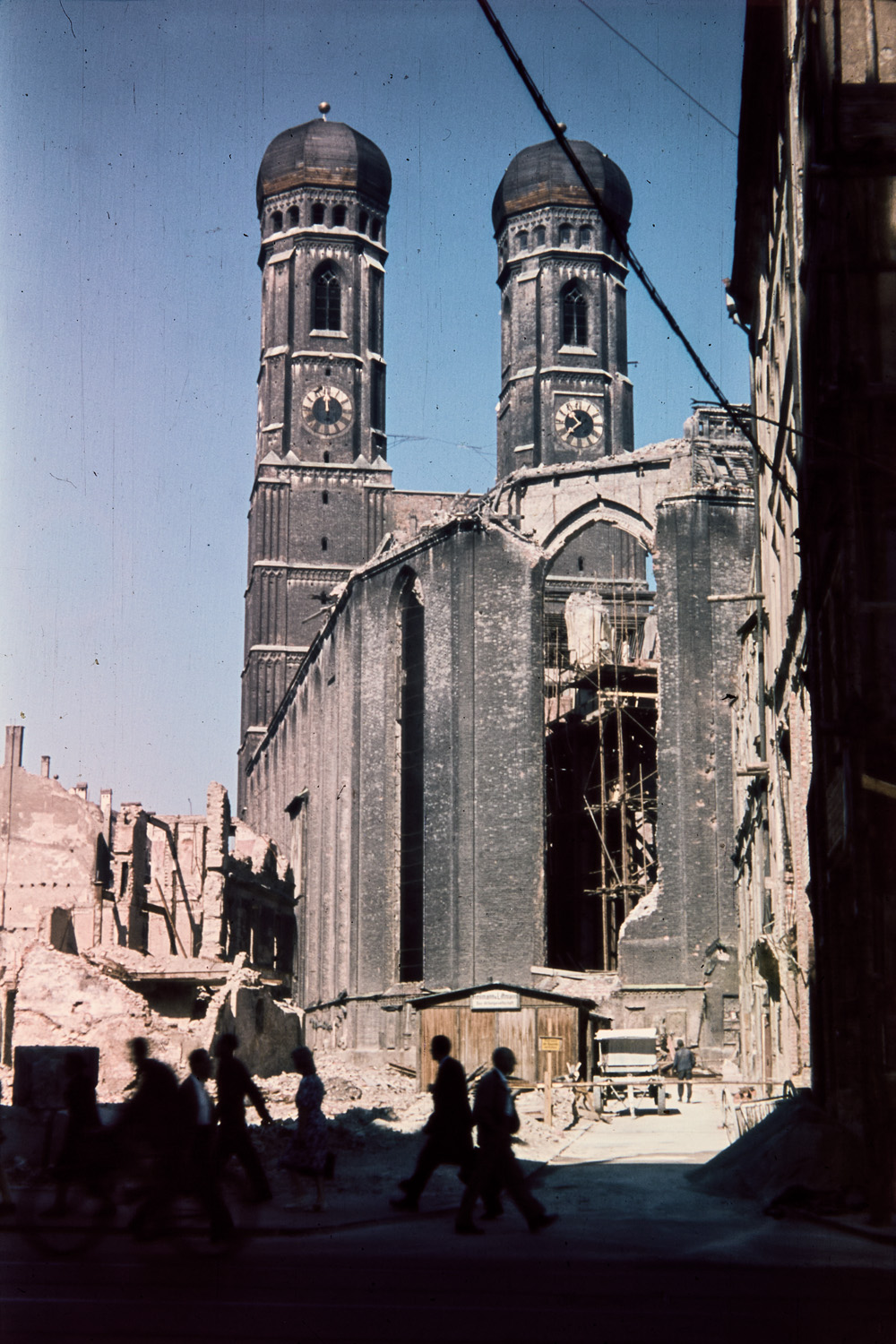
These holdings gave rise to the curatorial concept of contrasting a topographic or documentary reading of displayed photographs with an artistic interpretation, while also making visible the material wealth of photographic media available, ranging from slides and prints to printed photographs and picture postcards.
Helmut Silchmüller’s photographs of the destruction, which he sold as postcards, exemplify the documentary photographer’s perspective. The set of twenty-five images on view were printed just after the war ended. Bearing a trilingual title (“München 1945. Fotos der zerstörten Stadt/Munich 1945. Pictures of the Destroyed City/Images de la ville détruite”), the photos were intended to appeal both to the local population and to the occupying Allied troops.
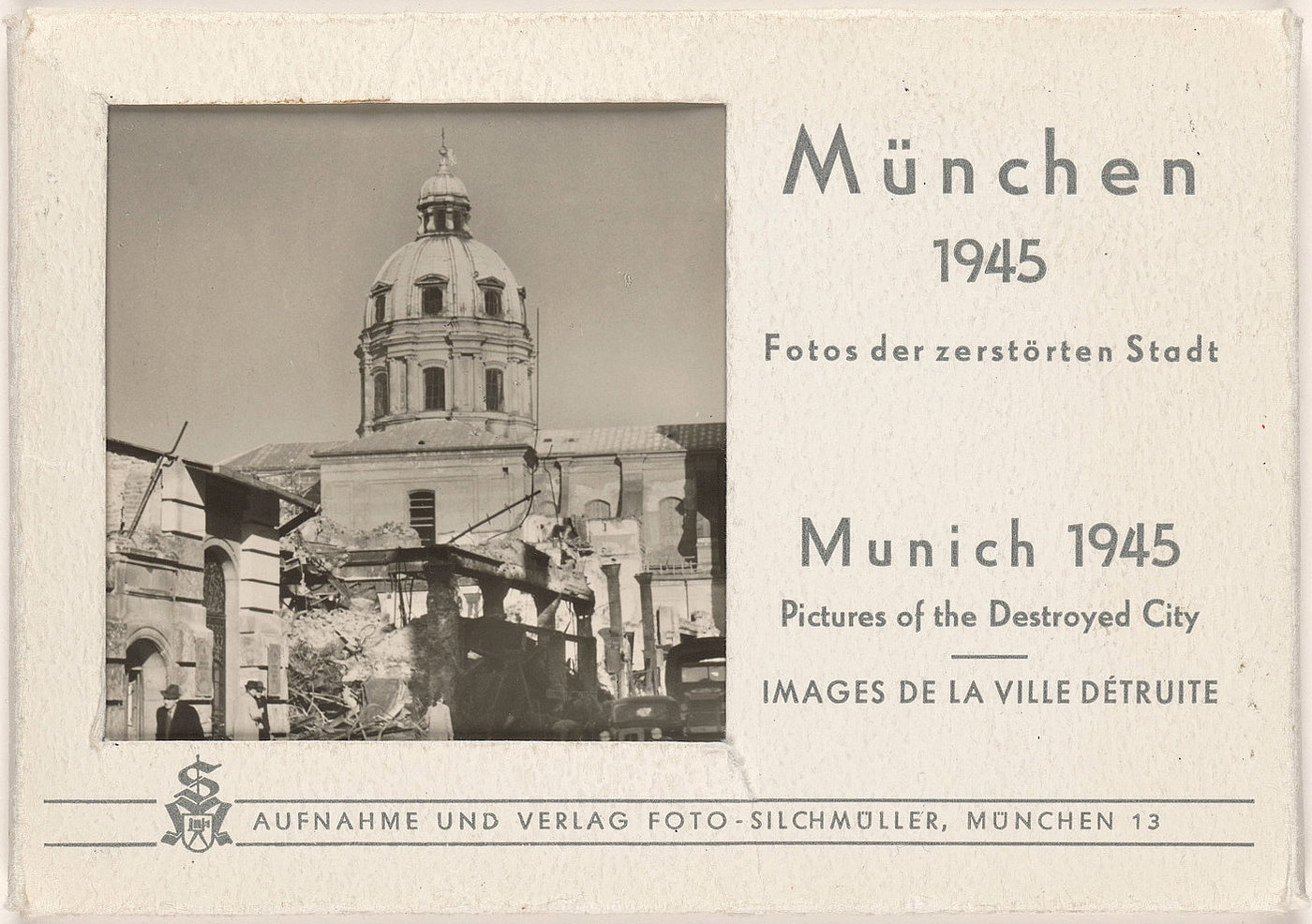
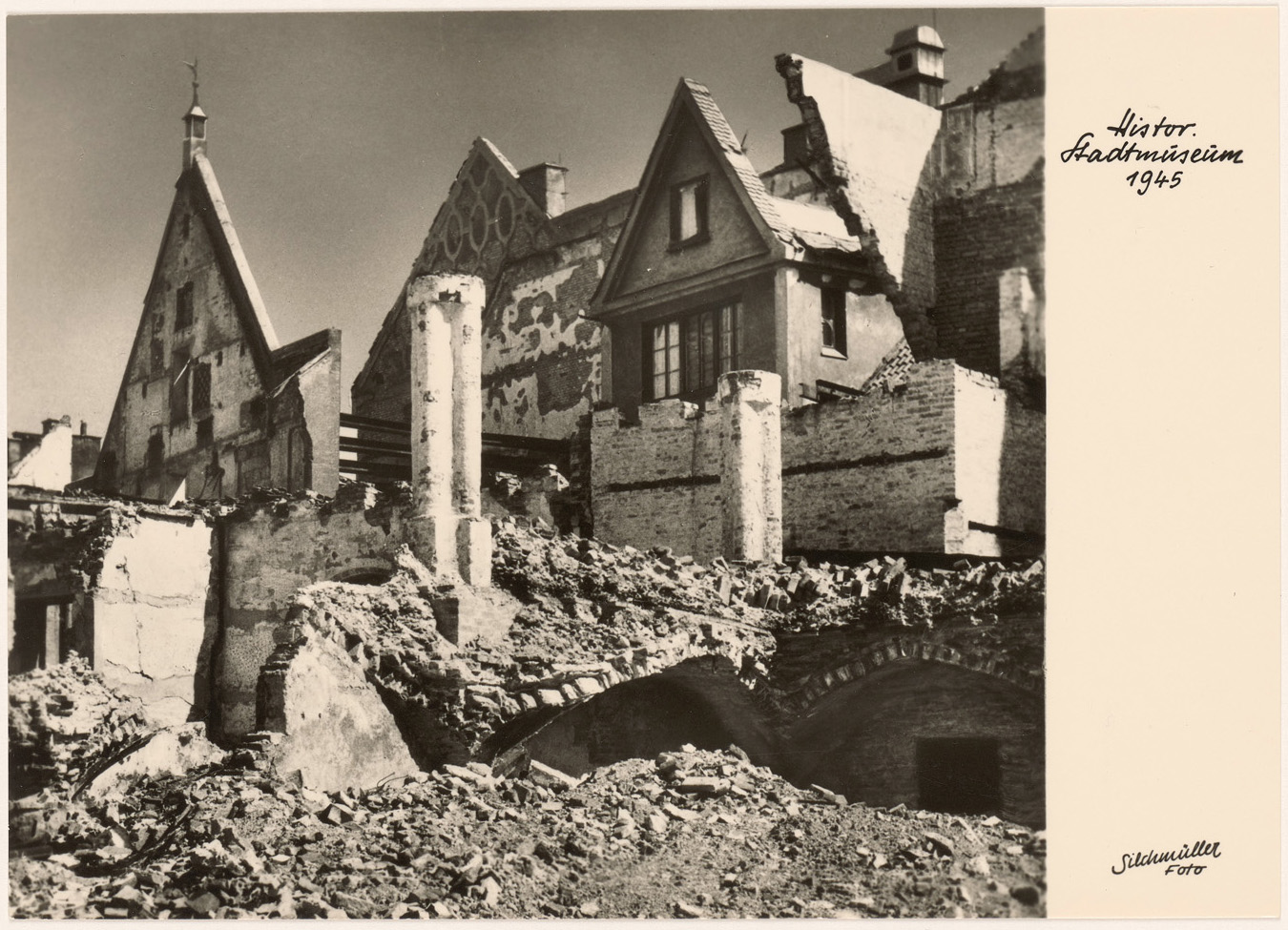
Johann Danböck’s amateur photo albums offer an alternative angle. The three albums on display, “München I–III”, document how photographs were used in private life between 1909 and 1956. They bring together purchased postcards with self-made photographs. They are organized by place and often precisely dated, but are not arranged chronologically. Nothing is known of the amateur or professional photographers responsible for the images in the albums (such as the postcards).
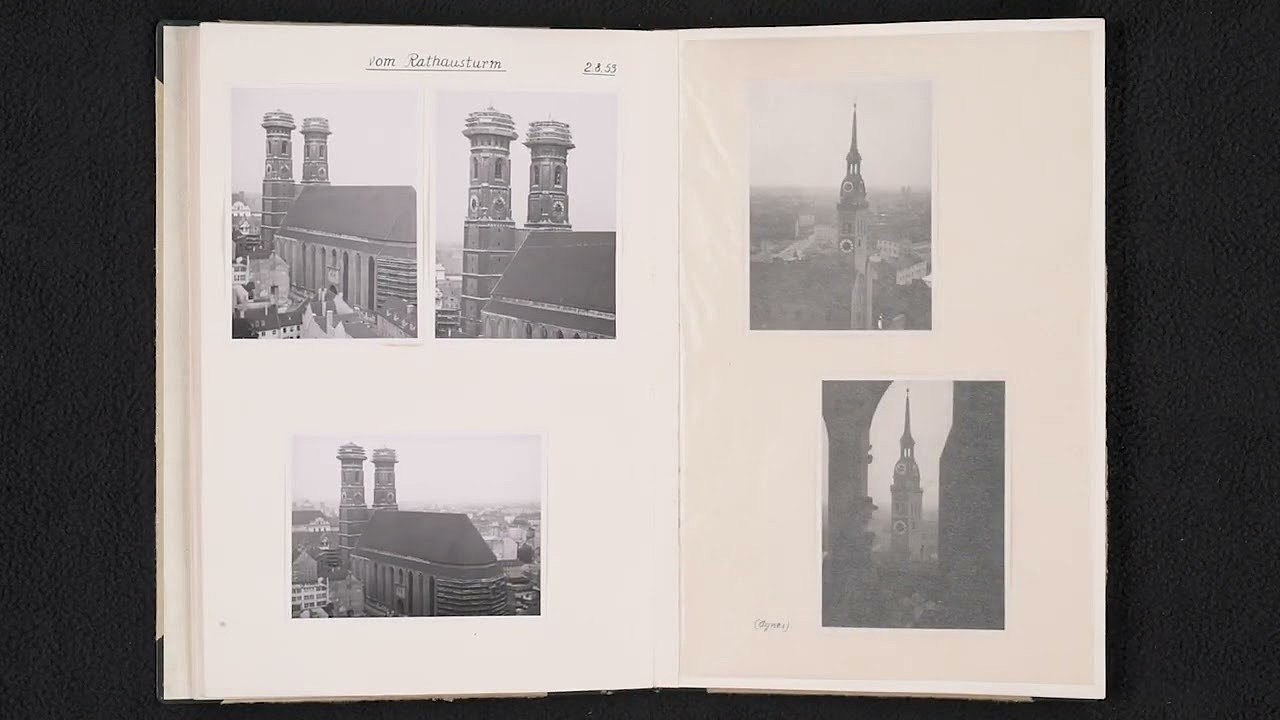
Remarks were later added to many of photographs noting that something was “destroyed” or “burned down”. The result is a multilayered editorial narrative that makes visible the ongoing destruction of Munich through its once-intact buildings. People are mostly left in the background of the photos, with the focus firmly on the city itself.
Realization
Large-scale freestanding walls emblazoned with List’s photographs of ruins could only be used at the entrance or arrayed along the opposite rear wall due to their size.
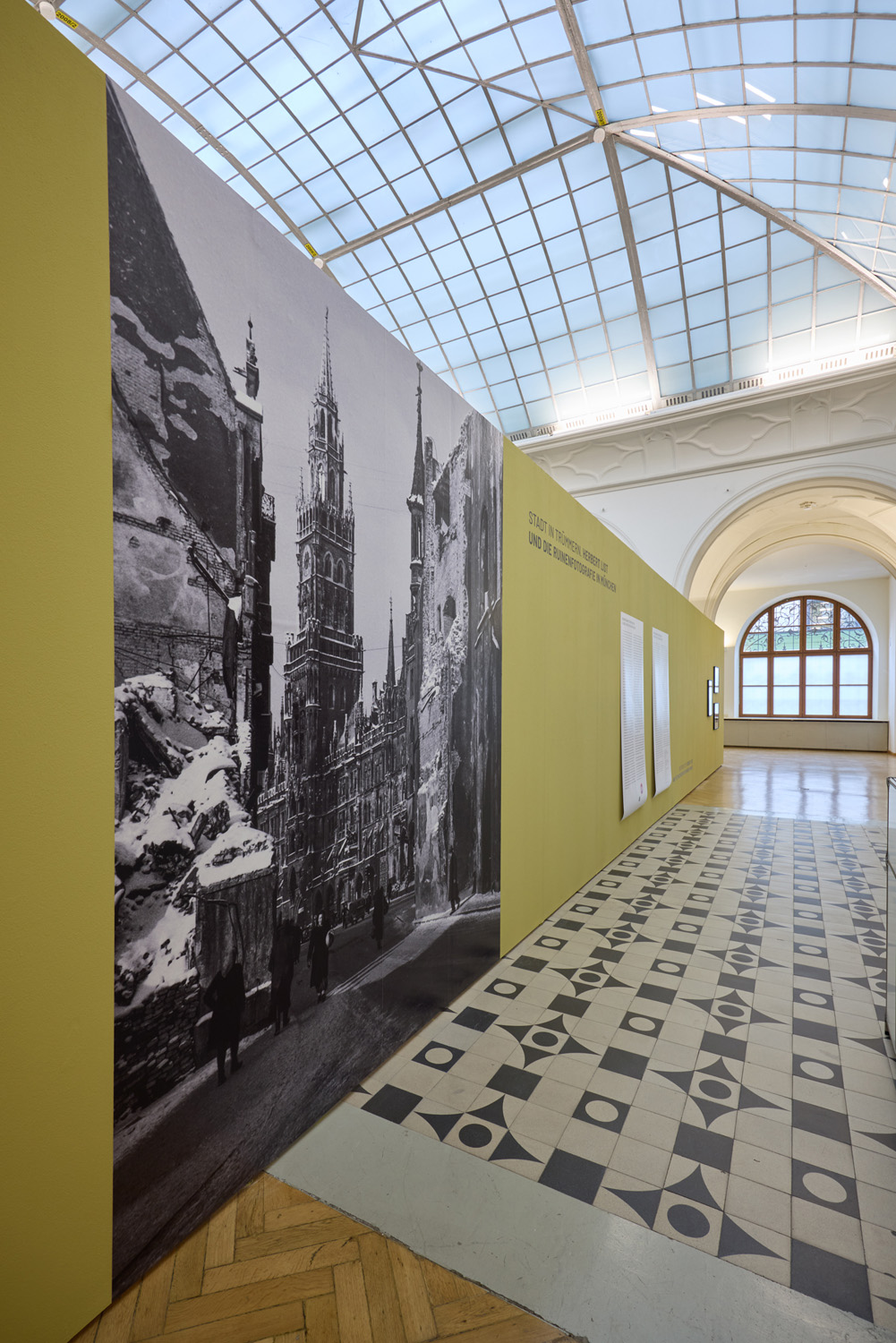
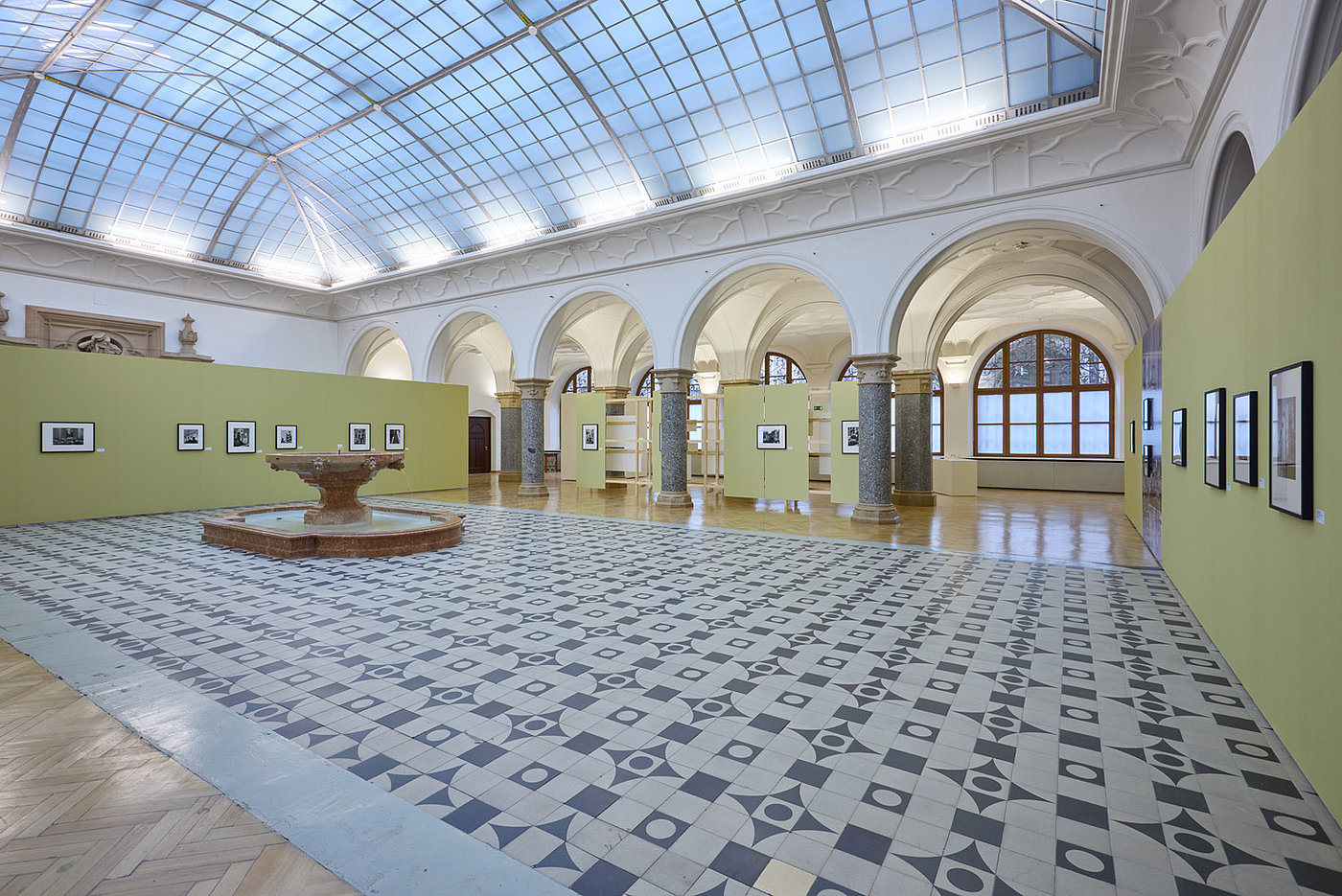
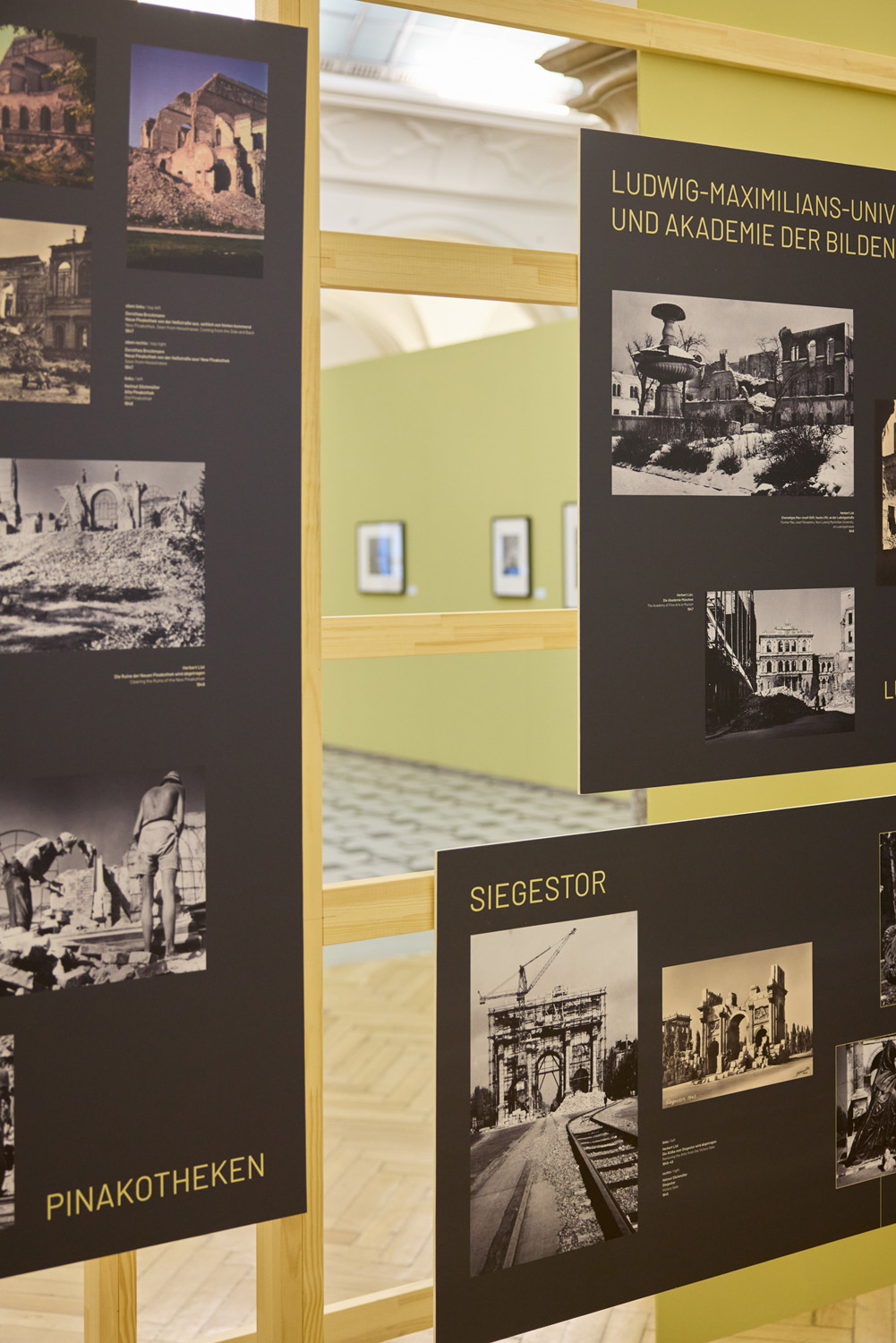
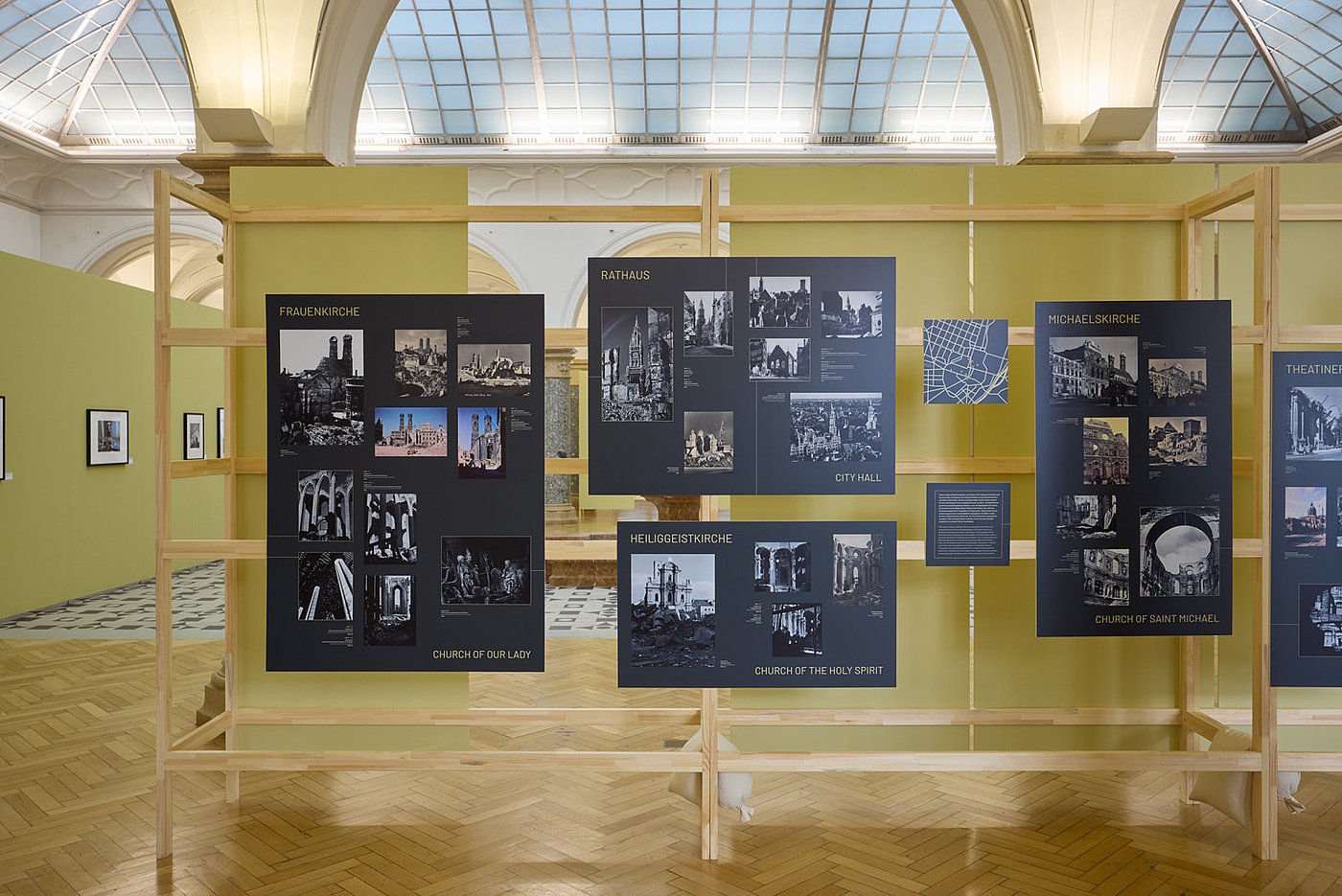
An open system was created for the two sides, offering a central structure that created the illusion of containment within a fragmentary structure. Wood panels opening inward displayed Herbert List’s works, while suspended panels on the interior presented works by various photographers arranged by area. The open structure allowed for expanded lines of sight. Works by other artists were placed at the perimeter, with slides projected onto larger areas.
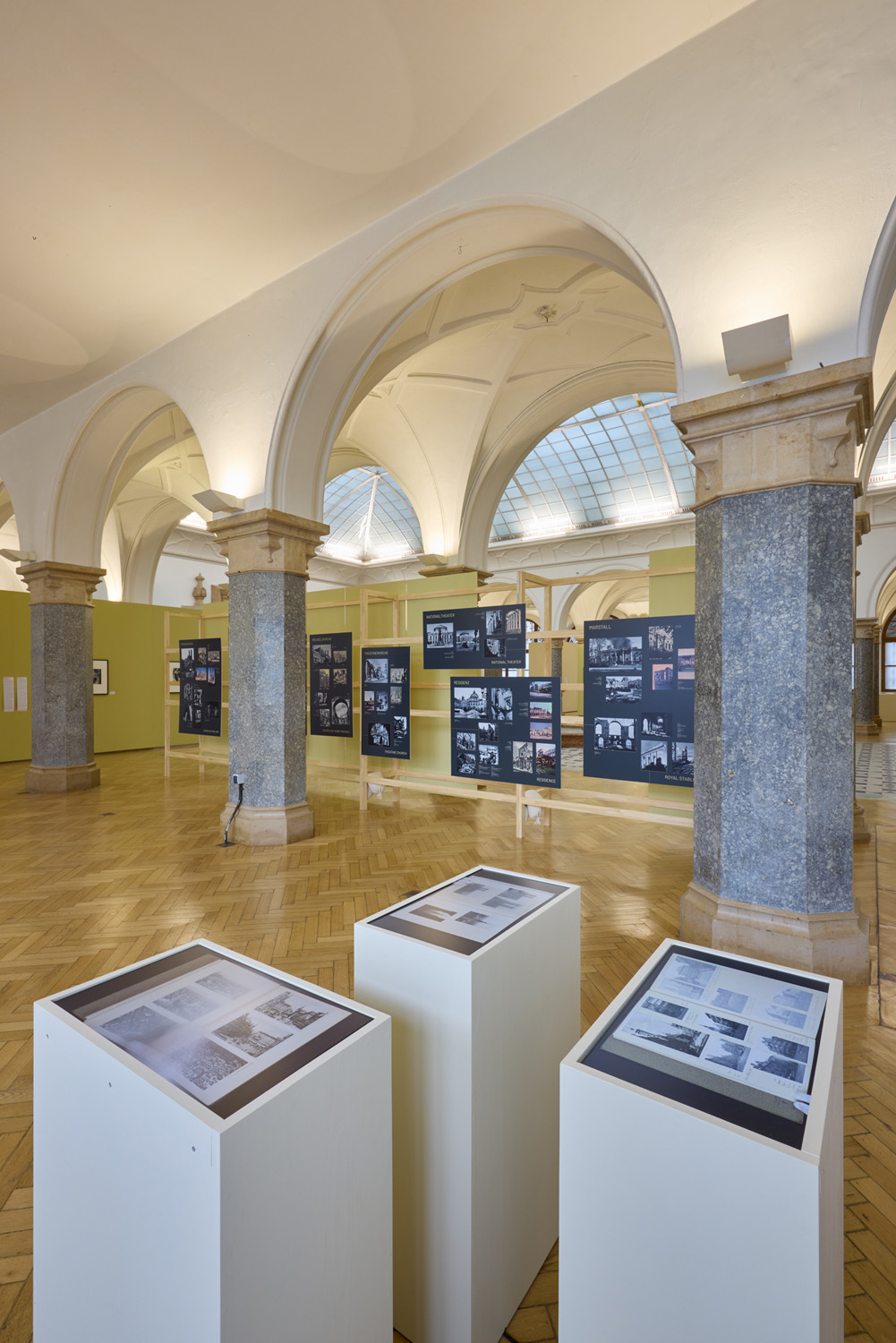
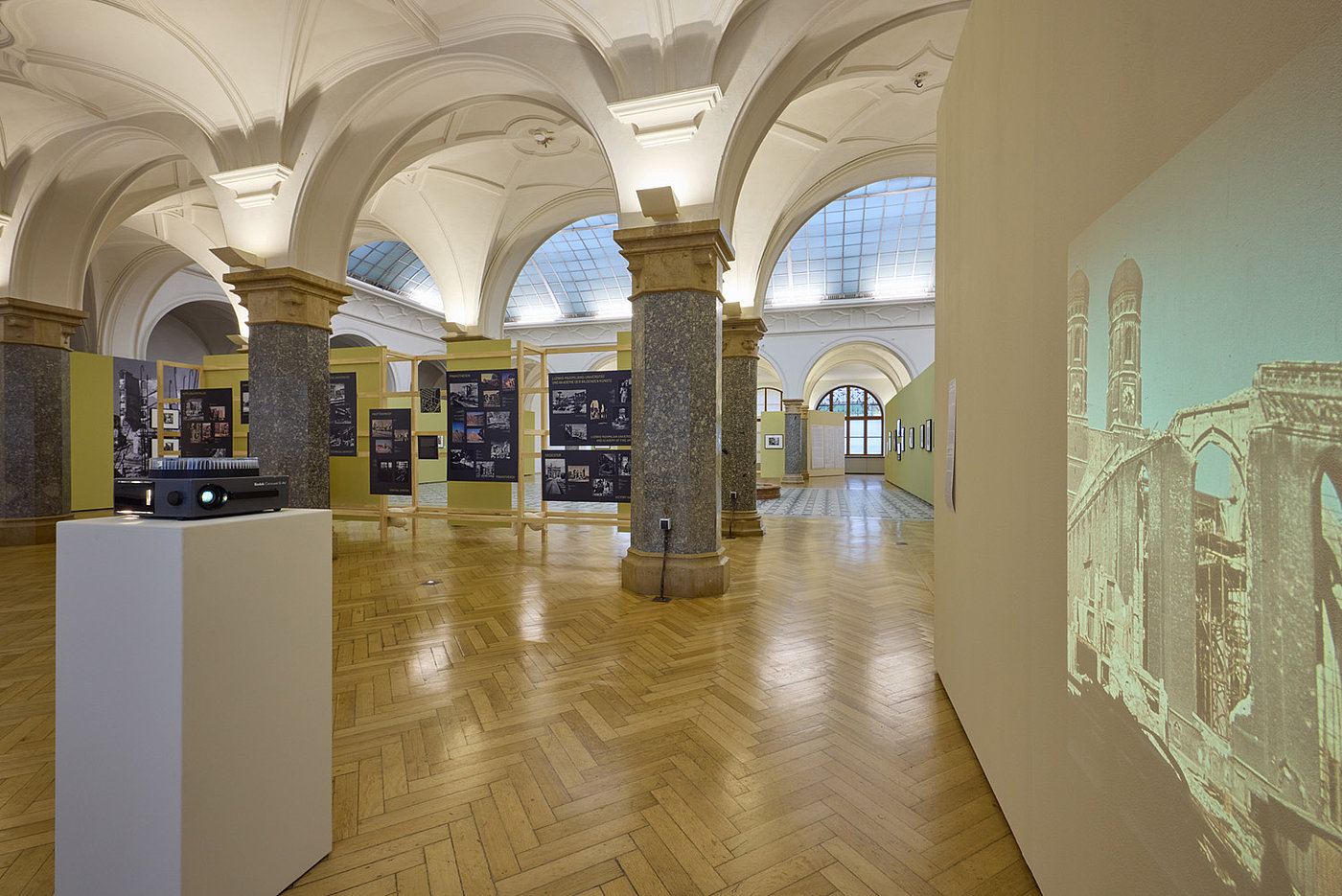
Conservation concerns meant it was not possible to show original photographs in the exhibition. These would have demanded a maximum illumination of 50 lux and a constant relative humidity of 45–50%, which wasn’t feasible outside of a museum building.
Response
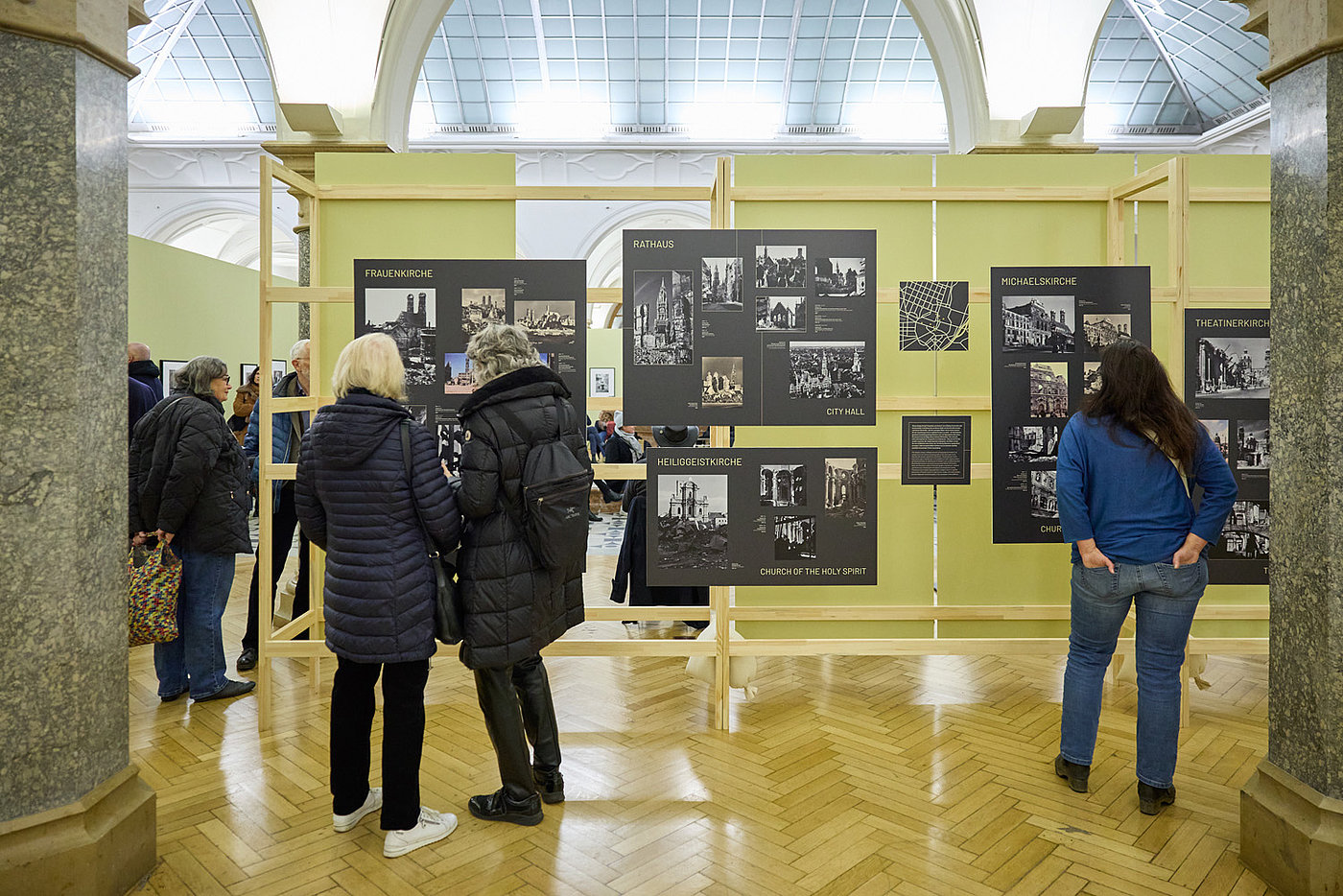
There was great interest in the exhibition, which welcomed 18,875 visitors in just three weeks. We received varied and sometimes highly personal feedback both during and after the exhibition. Many experienced the exhibition as a place to recollect their own past, whereas others saw connections to the present day, especially with regard to the many present-day conflicts currently underway.
Mary Glaser is an art historian working as a researcher at the Photography Collection at Münchner Stadtmuseum since 2012. Her areas of focus are organizing exhibitions and collections work.
Keywords
Categories
Plan Your Visit
Opening hours
Interim exhibition What the City. Perspectives of Munich in the former armory
Tuesday – Sunday 11am – 7pm
Free Admission
Filmmuseum München – Screenings
Tuesday / Wednesday 6.30 pm and 9 pm
Thursday 7 pm
Friday / Saturday 6 pm and 9 pm
Sunday 6 pm
The rest of the museum is currently closed due to the general refurbishment.
Contact
St.-Jakobs-Platz 1
80331 München
Phone +49-(0)89-233-722370
E-Mail stadtmuseum(at)muenchen.de
E-Mail filmmuseum(at)muenchen.de
Cinema ticket reservation Phone +49-(0)89-233-724150